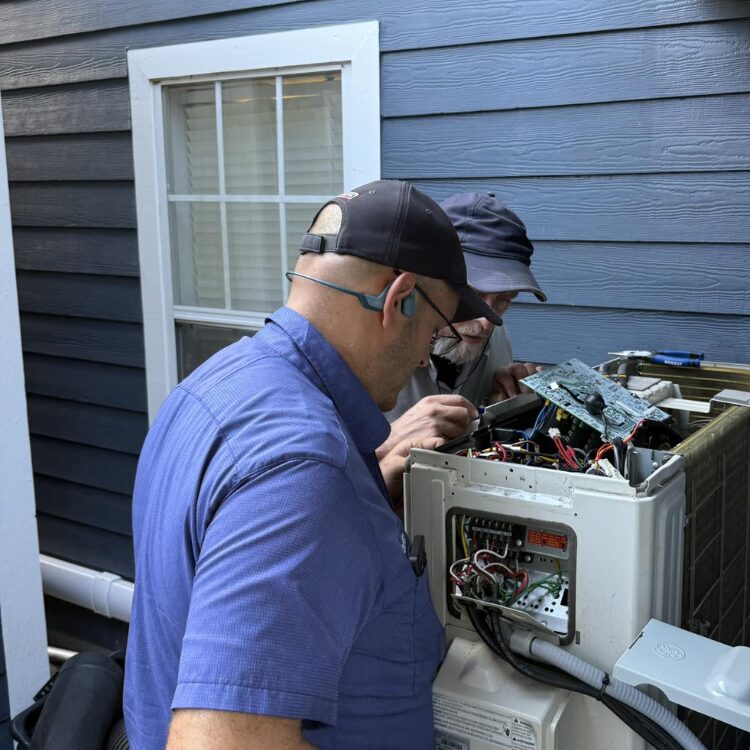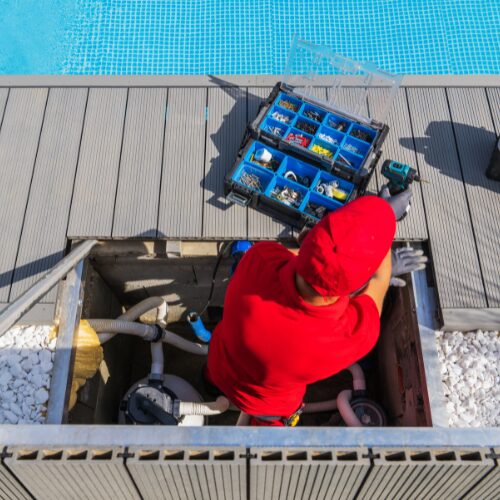
Living in paradise comes with its perks, but for homeowners on Amelia Island and in Fernandina Beach, the subtropical climate presents unique challenges when it comes to heating and air conditioning. While the rest of the country might give their HVAC systems periodic breaks, Florida homeowners run their air conditioners nearly year-round, putting exceptional strain on these critical systems. Knowing when to replace rather than repair can save you thousands of dollars and prevent uncomfortable surprises during the hottest months.
The Florida Factor
Florida’s climate is particularly punishing on HVAC systems. The combination of high humidity, salt air from the Atlantic Ocean, frequent afternoon thunderstorms, and temperatures that rarely dip below comfortable levels means your air conditioner works overtime compared to systems in other parts of the country. On Amelia Island and in Fernandina Beach, the coastal environment adds another layer of complexity. Salt-laden air accelerates corrosion on outdoor condenser units, while the constant moisture creates ideal conditions for mold and mildew growth in ductwork and drain lines.
Most HVAC manufacturers estimate their systems will last 15 to 20 years under normal conditions. In Northeast Florida’s coastal environment, that lifespan often shrinks to 10 to 15 years. If your system is approaching the decade mark and showing signs of wear, it’s time to start planning for replacement rather than assuming you’ll get another five years out of it.
Warning Signs It’s Time to Replace
Age alone isn’t the only factor to consider. Several red flags indicate your system is approaching the end of its useful life. Frequent repairs are perhaps the most obvious sign. If you’re calling your HVAC technician multiple times per season, or if repair costs are exceeding half the cost of a new system, replacement makes more financial sense than continued repairs.
Rising energy bills despite consistent usage patterns suggest your system is losing efficiency. As components wear out, your HVAC unit has to work harder to maintain the same comfort level, consuming more electricity in the process. In Florida’s climate, where air conditioning can account for up to 50 percent of your summer electric bill, inefficiency becomes expensive quickly.
Uneven cooling throughout your home is another warning sign. If some rooms feel like a sauna while others are comfortable, or if humidity levels seem impossible to control despite a running AC, your system may be failing. In coastal homes, proper dehumidification is just as important as temperature control for comfort and preventing mold growth.
Strange noises, unusual odors, or visible rust and corrosion on outdoor units are all indicators that major components are failing. For Fernandina Beach and Amelia Island residents, outdoor units showing significant salt corrosion should be evaluated carefully, as this often indicates internal damage as well.
The Repair vs. Replace Decision
HVAC professionals often use the “5,000 rule” to help homeowners decide between repair and replacement. Multiply the age of your unit by the cost of repair. If the result exceeds $5,000, replacement is usually the better choice. For example, if your 12-year-old system needs a $500 repair, that’s $6,000—well over the threshold.
However, this rule should be adjusted for Florida’s coastal environment. Given the shorter expected lifespan and harsher operating conditions, consider replacement if your system is over 10 years old and facing repairs exceeding $1,000.
Benefits of Upgrading
Modern HVAC systems offer significant advantages over older models, particularly for coastal Florida homes. Today’s high-efficiency units use up to 40 percent less energy than systems from the early 2000s. They also handle humidity better, which is crucial for comfort and air quality in our climate. Many newer systems include features like variable-speed compressors that run more consistently at lower levels rather than constantly cycling on and off, providing better dehumidification and temperature consistency.
Additionally, upgrading to a modern system may qualify you for utility rebates and improve your home’s resale value—an important consideration in Amelia Island’s competitive real estate market.
Timing Your Replacement
If you’ve decided replacement is necessary, timing matters. Fall and spring are ideal seasons to replace your HVAC system in Northeast Florida. Demand for HVAC services is lower than during the peak summer months, potentially saving you money and ensuring faster installation. Don’t wait until your system fails completely on the hottest day of the year—plan proactively.
Your HVAC system is one of your home’s most important investments, particularly in Florida’s demanding climate. By staying alert to warning signs and understanding the unique challenges of coastal living, you can make informed decisions that keep your home comfortable and your energy costs manageable.