The Critical Importance of Regular HVAC Maintenance in Florida
Your HVAC system is one of the hardest-working components of your home, and nowhere is this more true than in Florida. With year-round heat, extreme humidity, and an extended cooling season that runs nearly twelve months, Florida HVAC systems face unique challenges that make regular maintenance not just important—but essential. Understanding these Florida-specific considerations can save you money, extend your system’s lifespan, and ensure your home remains a comfortable refuge from the subtropical climate.
Florida’s Climate Demands More from Your HVAC
Unlike most of the country where HVAC systems get seasonal breaks, Florida air conditioners run almost continuously. This extended operational period means components experience significantly more wear and tear than systems in milder climates. Your compressor, blower motor, and other critical parts are working overtime, often running 8-12 hours daily even in the “cooler” winter months.
The relentless humidity creates additional strain on your system. Florida’s average humidity levels of 70-75% force your HVAC to work as a dehumidifier as much as a cooling system. This constant moisture removal puts extra stress on the evaporator coils and condensate drain system, making regular maintenance crucial to prevent failures during the hottest months when you need cooling most.
Humidity-Related Issues Unique to Florida
Florida’s humid environment creates perfect conditions for mold, mildew, and biological growth within HVAC systems. When moisture combines with dust and organic matter on evaporator coils and in drain pans, it becomes a breeding ground for microbial contamination. This not only affects indoor air quality but can also lead to musty odors throughout your home and potential health concerns for family members with allergies or respiratory sensitivities.
Condensate drain lines are particularly vulnerable in Florida. During peak cooling season, your system can produce 10-20 gallons of water daily. If drain lines aren’t regularly cleaned and maintained, they can become clogged with algae growth, leading to water backups, pan overflows, and potential water damage to your home. Regular maintenance includes flushing these lines to prevent costly water-related problems.
Salt Air Corrosion in Coastal Areas
For Floridians living near the coast, salt air presents an additional maintenance challenge. Salt particles carried by ocean breezes can accelerate corrosion on outdoor condenser units, particularly on fins, coils, and electrical connections. This corrosive environment can significantly shorten equipment lifespan if not properly addressed through regular cleaning and protective treatments during maintenance visits.
Energy Efficiency in an Extended Cooling Season
Florida residents face some of the highest cooling costs in the nation due to the extended air conditioning season. A well-maintained HVAC system becomes even more critical when you’re running it nearly year-round. When filters become clogged with dust, pollen, and humidity-driven contaminants, your system must work harder to maintain comfort, directly increasing energy consumption.
Regular maintenance tasks like changing filters monthly during peak season, cleaning coils, and ensuring proper refrigerant levels can reduce energy consumption by 15-40%. In Florida, where cooling costs can represent 50-70% of summer utility bills, these savings become substantial. A system running at peak efficiency in Florida’s demanding climate can save hundreds of dollars annually compared to a neglected one.
Extended Equipment Lifespan Despite Harsh Conditions
The combination of extended run times, high humidity, and intense heat means Florida HVAC systems typically have shorter lifespans than those in temperate climates—unless they’re properly maintained. A well-maintained system in Florida might last 12-15 years, while a neglected one could fail in as little as 7-10 years.
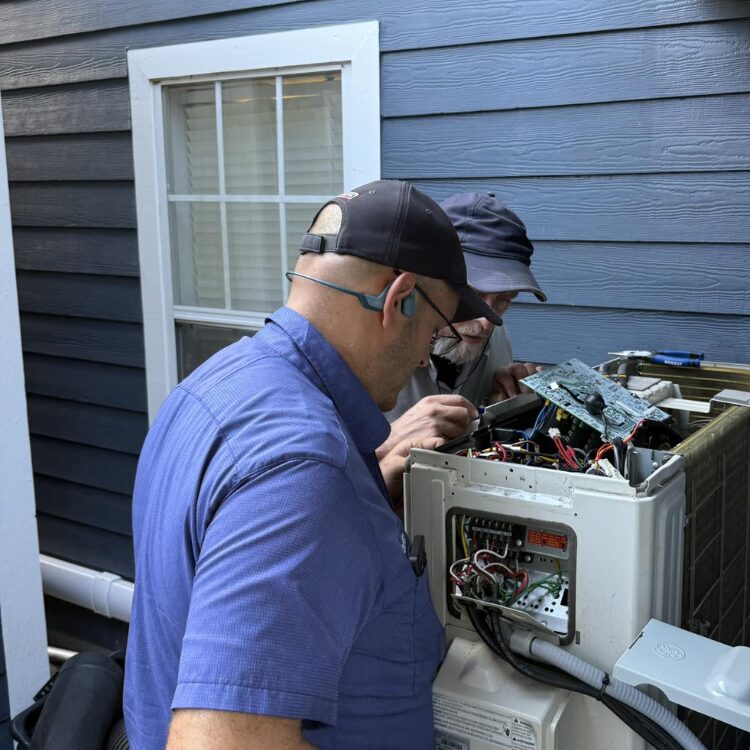
Regular maintenance becomes your best defense against Florida’s harsh conditions. Technicians can catch humidity-related corrosion early, ensure drain systems function properly, and identify components stressed by continuous operation before they fail. This proactive approach is especially important given that HVAC system replacement in Florida is a major expense, often requiring units with higher SEER ratings to handle the cooling demands efficiently.
Storm Season Preparedness
Florida’s hurricane season adds another dimension to HVAC maintenance. Strong storms can damage outdoor units with flying debris, flooding, or power surges. Pre-season maintenance ensures your system is in optimal condition before storm season arrives, and post-storm inspections can identify damage before attempting to operate a compromised system, preventing further damage.
The Florida Bottom Line
In Florida’s demanding climate, HVAC maintenance isn’t optional—it’s a necessity for comfort, health, and financial protection. The unique challenges of year-round operation, extreme humidity, salt air exposure, and severe weather make quarterly or at minimum bi-annual maintenance essential. Most Florida HVAC professionals recommend maintenance visits in spring and fall, with additional filter changes every 30-60 days during peak season.
Don’t let Florida’s climate destroy your investment in home comfort. Schedule regular maintenance and protect your system against the unique challenges of the Sunshine State.