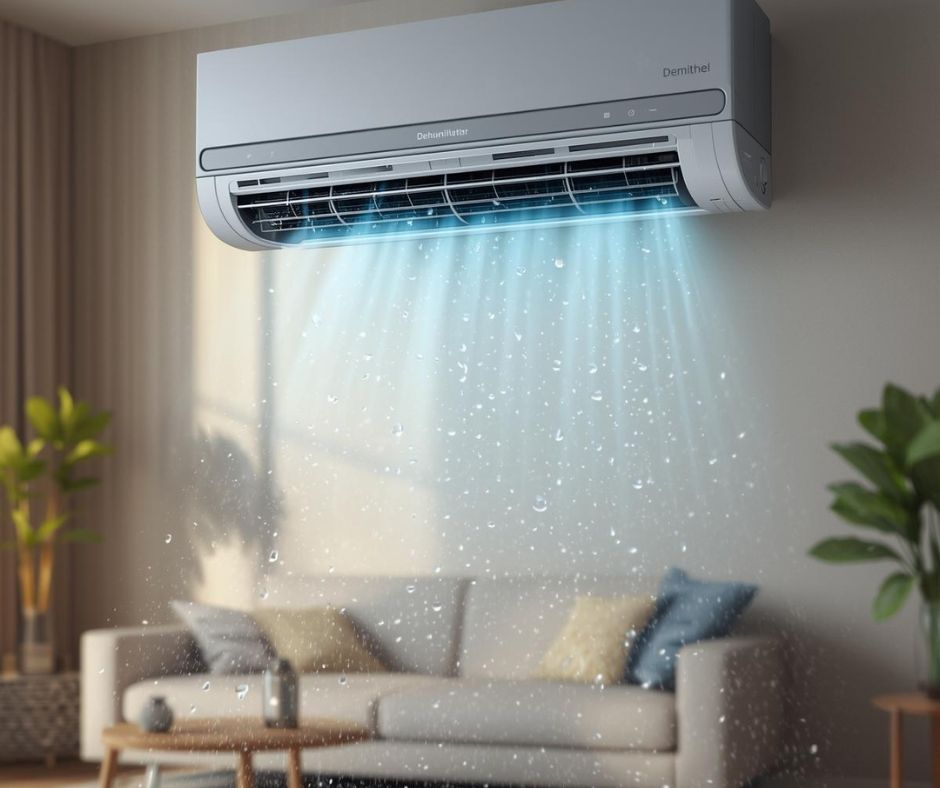
Say goodbye to sticky air, musty odors, and moisture problems. Our dehumidification solutions protect your home, improve comfort, and help prevent mold before it starts.
Your Guide to Dehumidification & Indoor Air Quality
Protecting Your Coastal Home from Humidity and Poor Air Quality Living in Fernandina Beach, Yulee, and Amelia Island means enjoying beautiful ocean breezes and coastal charm. But our subtropical climate also brings high humidity levels that can threaten your home’s comfort, safety, and your family’s health. Understanding the importance of proper dehumidification and indoor air quality is essential for every homeowner in our area
Why Humidity Control Matters in Fernandina Beach and Amelia Island
Our coastal location creates the perfect conditions for excessive indoor humidity. The warm, moist air from the Atlantic Ocean combines with seasonal rainfall to create year-round moisture challenges that go far beyond simple discomfort.
High humidity can lead to mold growth, musty odors, condensation, and uncomfortable indoor air. Our dehumidification services target excess moisture at the source. From whole-home systems to targeted solutions for trouble areas, we help protect your home, improve indoor comfort, and create a healthier, drier living environment.
The Comfort Factor: More Than Just Temperature
Many homeowners in Yulee and Amelia Island set their thermostats lower and lower, trying to feel comfortable, without realizing that humidity is the real problem. When indoor humidity is properly controlled between 30-50%, your home feels comfortable at higher temperatures, reducing energy consumption and utility bills. Proper humidity control eliminates that clammy, sticky feeling on your skin. Your sheets feel crisp and dry, clothes don't feel damp in the closet, and you sleep better through the night. The air feels fresher and lighter, making your home a true sanctuary from the humid outdoors.
Health and Safety Concerns
The health implications of poor indoor air quality in our humid climate are serious and often underestimated. Mold exposure can cause chronic coughing, eye irritation, skin rashes, and severe allergic reactions. Children, elderly family members, and anyone with existing respiratory conditions face the greatest risks. Dust mites thrive when indoor humidity exceeds 50%, and their waste products are a leading cause of year-round allergies in coastal Florida. Poor air circulation combined with high moisture also concentrates indoor pollutants like volatile organic compounds (VOCs) from cleaning products, furniture, and building materials.
The Hidden Dangers of High Humidity
Excess moisture in your home creates an environment where harmful contaminants thrive. Mold spores, dust mites, and bacteria multiply rapidly in humid conditions, triggering allergies, asthma attacks, and respiratory issues. Many Fernandina Beach residents don't realize that the musty smell in their closets or the stuffiness they feel indoors is actually a warning sign of dangerous humidity levels. High humidity also damages your home's structure and your belongings. Wood floors warp, drywall becomes soft and discolored, paint peels, and that distinctive musty odor permeates furniture and clothing.
Your HVAC system works harder and less efficiently, driving up energy costs while failing to create true comfort.
Mold Prevention
Stops mold growth by reducing the moisture mold needs to thrive.
Cleaner, Healthier Air
Less humidity means fewer allergens, less mustiness, and fresher indoor air.
Greater Comfort
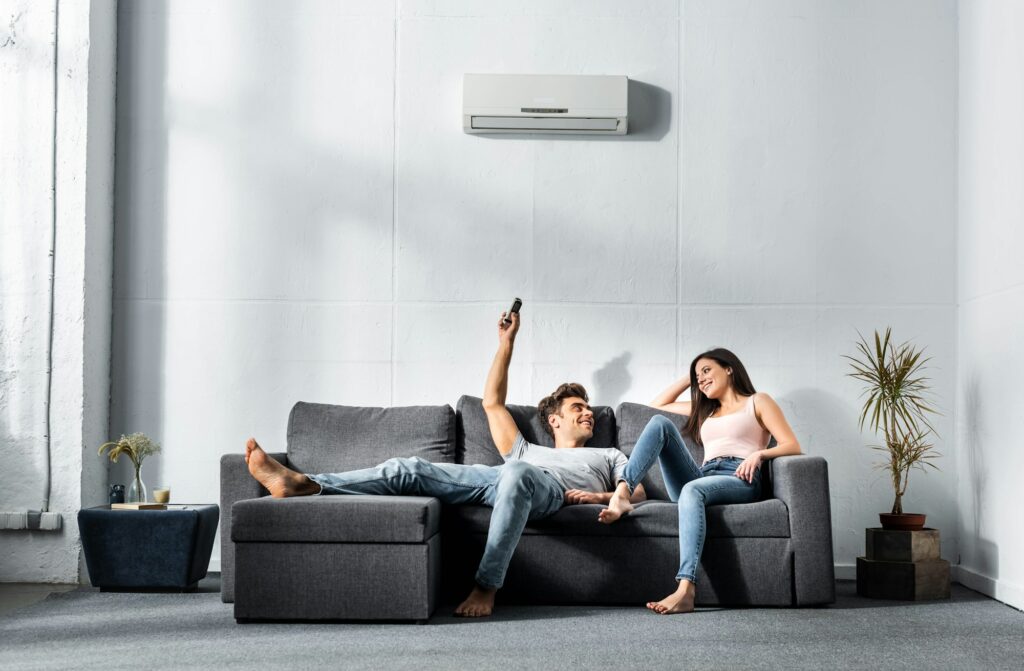
Say goodbye to sticky air and enjoy a cool, dry home even on the muggiest days.
Protects Your Home & Belongings
Reduces condensation and moisture damage to furniture, walls, and electronics.
Warning Signs Your Home Needs Dehumidification
Recognizing the signs of excessive humidity helps you take action before serious damage occurs: **Visual Signs:** – Condensation on windows, mirrors, or pipes – Visible mold growth on walls, ceilings, or around windows – Peeling wallpaper or bubbling paint – Warped wood floors or door frames that stick – Rust on metal fixtures or tools
Sensory Indicators
Musty or moldy odors in closets, bathrooms or basements
Damp feeling clothes or bedding
Constantly running air conditioning that doesn’t solve the humidity problem
Increased allergy symptoms indoors
Comprehensive Heating, Cooling & Air Quality Solutions
Explore our full range of services—from AC installation and repairs to indoor air quality, ductwork, and specialty HVAC solutions.